

Does Medicare cover Leqembi? Yes — Medicare Part B now covers Leqembi (lecanemab) for eligible beneficiaries with early-stage Alzheimer’s disease, following the drug’s full FDA approval. This is a significant shift from the drug’s early availability, when Medicare covered it only in very limited circumstances.
Here’s what current Medicare Alzheimer’s drug coverage looks like, what it costs, and how the rules have evolved since Leqembi first reached the market.
Does Medicare Cover Leqembi? The Current Rules
Medicare began covering Leqembi under Part B after the drug received full FDA approval in July 2023, moving beyond the limited clinical-trial-only coverage it initially had. Coverage today generally requires:
- A confirmed early-stage Alzheimer’s diagnosis
- Evidence of amyloid plaque buildup in the brain (via PET scan or other approved testing)
- Treatment through a provider participating in a qualifying registry, such as a CMS-approved patient registry, as part of Medicare’s Coverage with Evidence Development (CED) framework
Because Leqembi is physician-administered, it falls under Medicare Part B rather than Part D. Beneficiaries typically pay 20% coinsurance after meeting the Part B deductible. A Medigap policy can help cover that coinsurance, which matters given the drug’s price.
Leqembi Eligibility Criteria
To qualify for Medicare coverage for Leqembi, patients generally need:
- A diagnosis of mild cognitive impairment or mild dementia due to Alzheimer’s disease
- Confirmed amyloid-beta pathology, documented before starting treatment
- Care from a provider enrolled in a qualifying CMS registry or study
These criteria exist because CMS is using Coverage with Evidence Development for this drug class — a way of covering promising but still-evolving treatments while continuing to collect real-world outcome data, given ongoing questions about long-term benefits and risks such as brain swelling or bleeding.
Leqembi Cost Per Year
Leqembi’s list price is approximately $26,500 per year. For Medicare beneficiaries who meet coverage criteria, out-of-pocket costs depend on their specific plan:
- Original Medicare (Part B): 20% coinsurance after the annual Part B deductible, which a Medigap plan can help offset
- Medicare Advantage: Cost-sharing varies by plan, so it’s worth confirming coverage details directly with your plan
- Part D interaction: Leqembi itself is billed under Part B, not Part D, since it’s administered by a physician rather than picked up at a pharmacy
Given the size of this expense, understanding your Alzheimer’s treatment coverage options — and whether a Medigap plan fits your situation — is worth discussing with a licensed Medicare agent before treatment begins.
How Leqembi Works
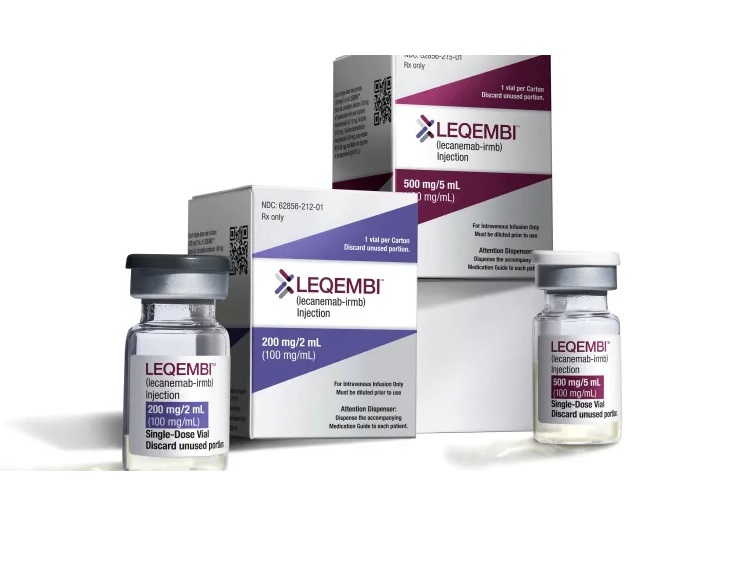
Leqembi is administered as an intravenous infusion twice monthly. It targets the brain plaque associated with Alzheimer’s disease. In a late-stage clinical trial, it slowed cognitive decline in people with early Alzheimer’s by 27%. The treatment also carries risks, including brain swelling and bleeding, which is part of why Medicare continues to monitor outcomes through its registry requirement.
Background: How VHA Coverage Led the Way
Before Medicare extended broader coverage, the Veterans Health Administration moved first. In March 2023, drugmaker Eisai and Biogen announced that the VHA would cover Leqembi for eligible veterans — a notable contrast at the time, since Medicare is essentially not covering the treatment for the broader senior population at that point.
According to a document on the agency’s website, veterans seeking coverage needed to be seniors, sign a consent form, have undergone an MRI within the past year, and have PET scan or spinal tap results consistent with Alzheimer’s disease, among other criteria.
The VHA, the largest health system in the country, serves 9 million veterans annually across nearly 1,300 facilities. Federal estimates put the number of veterans with Alzheimer’s disease at nearly 168,000 in 2022.
The FDA had approved Leqembi on an expedited basis in January 2023, but full approval — the trigger for broader Medicare coverage — wasn’t expected until later that year. At the time, Eisai and Biogen expect the agency to make a decision on full approval that summer. Medicare followed through on its earlier commitment to expand coverage once that full approval came through in July 2023.
Alzheimer’s Treatment Options for Seniors
Leqembi isn’t the only option seniors have for managing Alzheimer’s disease. Other medications, such as Aricept or Namenda, are covered under Medicare Part D rather than Part B. Discussing the full range of Alzheimer’s treatment options — and how each is covered — with a neurologist and a licensed Medicare agent can help families in Florida and nationwide make an informed choice.
Frequently Asked Questions
Does Medicare cover Leqembi?
Yes. Medicare Part B covers Leqembi for beneficiaries with early-stage Alzheimer’s disease who meet CMS eligibility criteria, including confirmed amyloid pathology and treatment through a qualifying registry.
How much does Leqembi cost per year?
Leqembi’s list price is approximately $26,500 per year. Medicare beneficiaries who qualify for coverage typically pay 20% coinsurance after the Part B deductible, which a Medigap plan can help offset.
What are the eligibility criteria for Leqembi coverage?
Patients generally need a diagnosis of mild cognitive impairment or mild dementia due to Alzheimer’s, confirmed amyloid-beta pathology, and care from a provider enrolled in a qualifying CMS registry or study.
Is Leqembi covered under Medicare Part B or Part D?
Leqembi is covered under Medicare Part B, since it’s a physician-administered infusion rather than a pharmacy-dispensed medication.
How is Leqembi different from VHA coverage for veterans?
The VHA began covering Leqembi for eligible veterans with early Alzheimer’s in March 2023, ahead of Medicare’s broader coverage, which followed the drug’s full FDA approval later that year.
Talk to a Licensed Agent About Your Coverage
Leqembi coverage is available, but it comes with specific eligibility rules and real out-of-pocket costs. If you or a loved one is considering treatment, a licensed Medicare agent can help you understand how your specific plan — Original Medicare, Medicare Advantage, or Medigap — handles this and other Alzheimer’s treatment options.


