


Working While Receiving Social Security Benefits: What You Need to Know
A growing number of workers plan to stay employed even after starting retirement. In fact, past surveys have found the majority of current workers plan to work for pay after retiring.
That raises an important question: how does working affect Social Security benefits?
The answer comes down to three key concepts: full retirement age, the Social Security earnings test, and taxable benefits.
Social Security Full Retirement Age
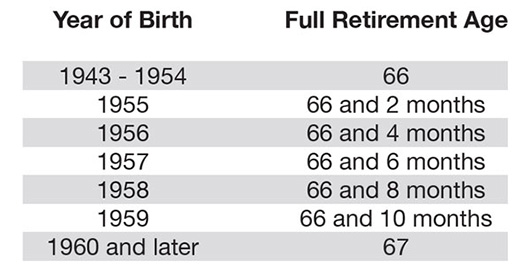
Most workers don’t face one single “official” retirement date, according to the Social Security Administration. The program allows you to start receiving benefits as early as age 62, or delay them until age 70.
Full retirement age (FRA) is the age at which you become eligible to receive 100% of your Social Security benefit. For workers born in 1960 or later, full retirement age is 67.
Social Security Earnings Test: How It Works
If you start collecting Social Security before reaching full retirement age, the Social Security earnings test comes into play.
Working Below Full Retirement Age
If you’re under full retirement age for the entire year, the Social Security Administration deducts:
- $1 in benefits for every $2 you earn above the annual limit
- In 2026, that annual earnings limit is $24,480
Working the Year You Reach Full Retirement Age
During the year you reach full retirement age, the reduction becomes less steep:
- $1 in benefits for every $3 you earn above a higher limit
- In 2026, that limit is $65,160, counting only earnings before the month you reach full retirement age
Example: Social Security Benefit Reduction
Let’s say a worker begins receiving Social Security benefits during the year they reach full retirement age. Before the month they reach full retirement age, they earn $80,000.
| Calculation | Amount |
|---|---|
| Earnings above the annual limit | $80,000 − $65,160 = $14,840 |
| One-third excess (benefit reduction) | $14,840 ÷ 3 = $4,947 |
In this example, the worker’s Social Security benefit would be reduced by approximately $4,947 for continuing to work before reaching full retirement age.
Working After Claiming Social Security: What Happens at Full Retirement Age
Once you reach full retirement age, your Social Security benefits are no longer reduced no matter how much you earn. The earnings test simply stops applying.
However, that doesn’t mean your benefits are off the tax radar entirely.
Social Security Taxable Benefits
Even past full retirement age, Social Security benefits can still be subject to income tax, depending on your total income.
For example, if you file a joint return and you and your spouse are past full retirement age:
- If your combined income is between $32,000 and $44,000, you may owe income tax on up to 50% of your benefits
- If your combined income exceeds $44,000, up to 85% of your benefits may be subject to income tax
Bringing It All Together
There are many factors to weigh when it comes to working while collecting Social Security benefits. Understanding how employment income can affect your total benefits — through the earnings test before full retirement age, and through taxation afterward — can help you build a retirement income strategy that makes the most of every income source, including Social Security.
Frequently Asked Questions
Can I work while receiving Social Security benefits?
Yes. You can work at any age while collecting Social Security. However, if you haven’t yet reached full retirement age, your benefits may be temporarily reduced under the Social Security earnings test if your income exceeds the annual limit.
How does the Social Security earnings test work?
If you’re under full retirement age for the entire year, Social Security deducts $1 in benefits for every $2 you earn above the annual limit ($24,480 in 2026). In the year you reach full retirement age, the reduction eases to $1 for every $3 earned above a higher limit ($65,160 in 2026), counting only earnings before the month you reach that age.
Does working reduce my Social Security benefits permanently?
No. Benefits withheld due to the earnings test aren’t lost forever. Once you reach full retirement age, the Social Security Administration recalculates your benefit to credit you for the months benefits were reduced or withheld.
At what age can I work without any reduction to my Social Security benefits?
Once you reach full retirement age, there’s no longer an earnings limit. You can earn any amount without your Social Security benefit being reduced.
Are Social Security benefits taxable if I’m still working?
Social Security benefits can be taxable regardless of employment status, based on your combined income. For married couples filing jointly with combined income between $32,000 and $44,000, up to 50% of benefits may be taxable; above $44,000, up to 85% may be taxable.
Where can I get help planning Social Security and employment income in Southwest Florida?
Workers and retirees in Fort Myers and across Southwest Florida can work with a fee-only fiduciary financial planner to coordinate Social Security timing, employment income, and tax planning as part of a complete retirement income strategy.
This information is developed from sources believed to be providing accurate information and is for general informational purposes only. It is not intended as tax or legal advice and may not be relied upon for the purpose of avoiding any federal tax penalties. Please consult a qualified tax or legal professional regarding your individual situation. The opinions expressed and material provided are for general information only and should not be considered a solicitation for the purchase or sale of any security.
Source: Social Security Administration, 2026


