
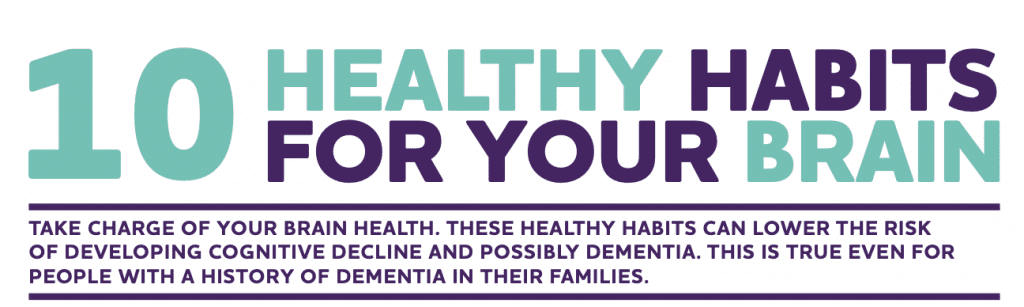

Your brain controls how you think, feel, and act every day. Therefore, taking care of it should be a top priority. The good news is that small daily habits can make a big difference. Below are 10 healthy brain habits that support memory, focus, and overall mental well-being.
1. Get Quality Sleep
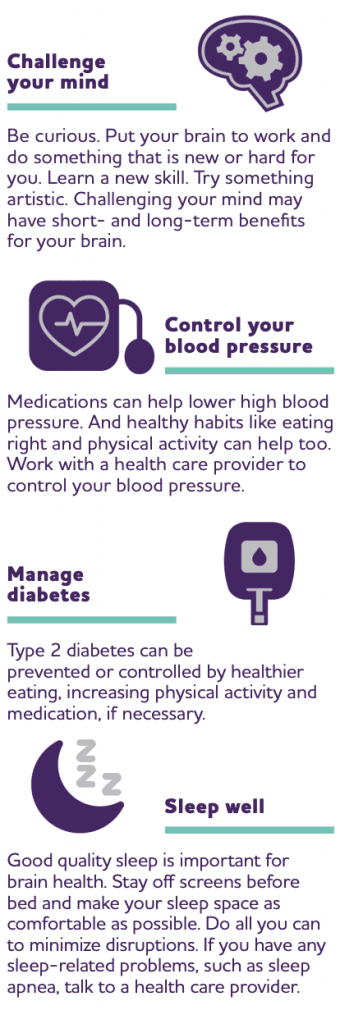
Aim for 7–9 hours of sleep each night. Sleep helps your brain process memories and improve focus. Without enough rest, concentration drops and mood suffers.
2. Exercise Regularly
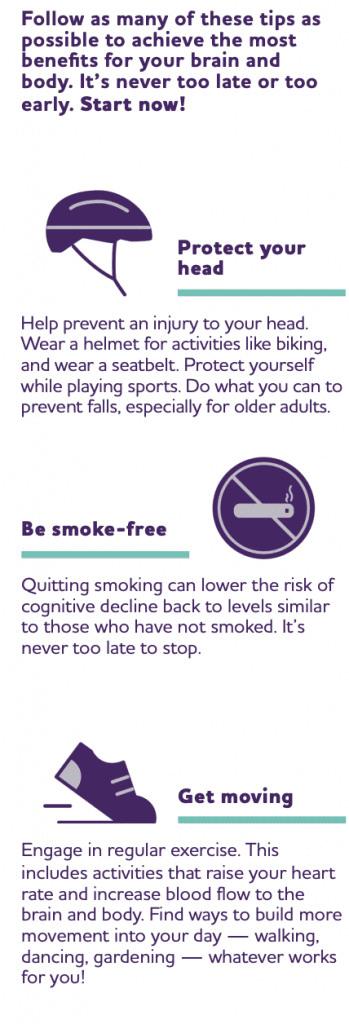
Physical activity boosts blood flow to the brain. Even simple activities like walking, yoga, or light cardio can improve thinking and reduce stress. Try to move your body every day.
3. Eat Brain-Friendly Foods
Your diet matters. Include fish, nuts, berries, eggs, and leafy greens in your meals. These foods provide nutrients that support brain health and protect against cognitive decline.
4. Stay Hydrated
Drink enough water throughout the day. Even mild dehydration can affect attention and memory. Keep a water bottle nearby as a reminder.
5. Challenge Your Mind
Keep learning. Read books, solve puzzles, or pick up a new skill. Mental challenges help build new brain connections and strengthen existing ones.
6. Manage Stress
Chronic stress harms brain function. Instead, practice deep breathing, meditation, or prayer. These techniques calm your mind and improve emotional balance.
7. Stay Socially Connected
Talking with friends and family supports mental health. Social interaction reduces loneliness and keeps your brain active.
8. Limit Screen Time
Too much scrolling can reduce attention span. Take regular breaks from screens and spend time on offline activities like reading or walking.
9. Avoid Smoking and Excess Sugar
Smoking damages brain cells over time. Excess sugar can also affect memory and energy levels. Choose healthier alternatives whenever possible.
10. Keep a Daily Routine
A consistent routine improves focus and mood. Regular sleep, meals, and activity times help your brain stay organized and balanced.
Final Thoughts
Healthy brain habits don’t require major lifestyle changes. Instead, small steps—like better sleep, regular movement, and mindful eating—can protect your brain for years to come. Start with one habit today, and gradually build a routine that supports long-term mental wellness.